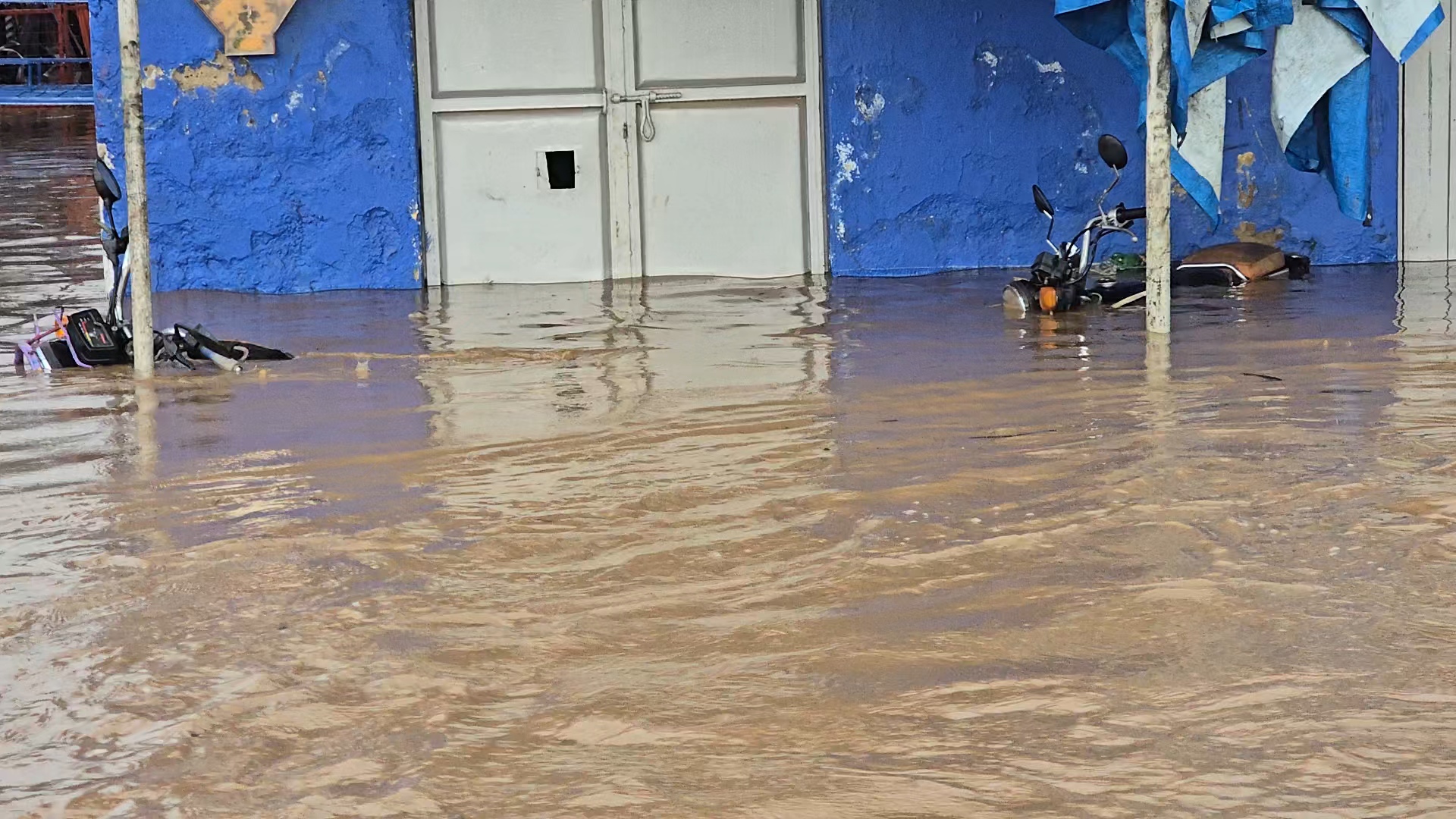
Residents in parts of Ntungamo are grappling with repeated flooding that continues to destroy property, disrupt businesses and endanger lives whenever heavy rains strike.
In several areas near the ruling party offices within the municipality, residents say storm water rushing from higher ground overwhelms trenches and culverts before spilling into commercial and residential buildings.
What begins as runoff outside quickly turns into destructive indoor flooding as muddy water forces its way through verandas, beneath doors and across corridors before engulfing sitting rooms, bedrooms and business premises within minutes.
Residents say closed doors provide little protection against the force of the water, which leaves mattresses soaked, wooden furniture damaged, electronics destroyed and merchandise contaminated.
“Since 2000, water has been filling buildings and destroying businesses. We wrote letters and sent them to authorities but not even the council has ever responded to us,” said resident Henry Tumwebaze.
Another resident, Amon Nuwasasira, said the situation has left many people living in fear.
“We are in fear. People might die because the government does not come to our rescue,” he said.
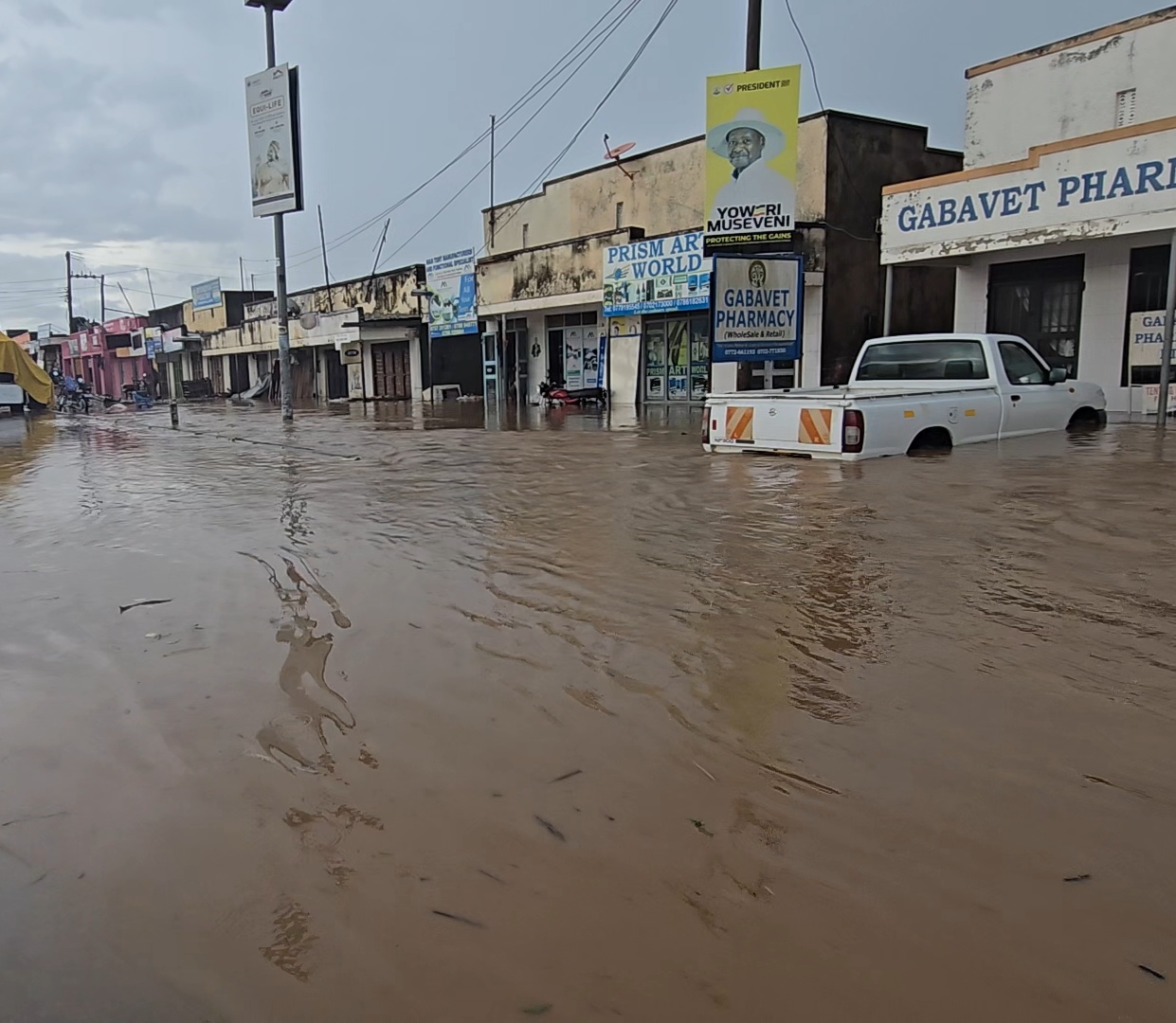
Drainage channels and trenches reportedly overflow during heavy rains, submerging motorcycles, trapping vehicles and flooding compounds for hours as buildings temporarily turn into water collection basins with nowhere for the water to escape.
Residents say repeated appeals for intervention have yielded little response.
“As government, what measures can you put in place for us because this keeps happening over and over again,” one resident questioned.
Julius, the chairperson of Cell 4 in Muko Ward, said local leaders have tried several times to seek assistance.
“We tried all means to get help for this water to be channelled but failed,” he said.
For traders and homeowners, flooding has become part of daily survival during the rainy season, with many repeatedly cleaning mud from their premises, drying damaged property and counting losses after every storm.
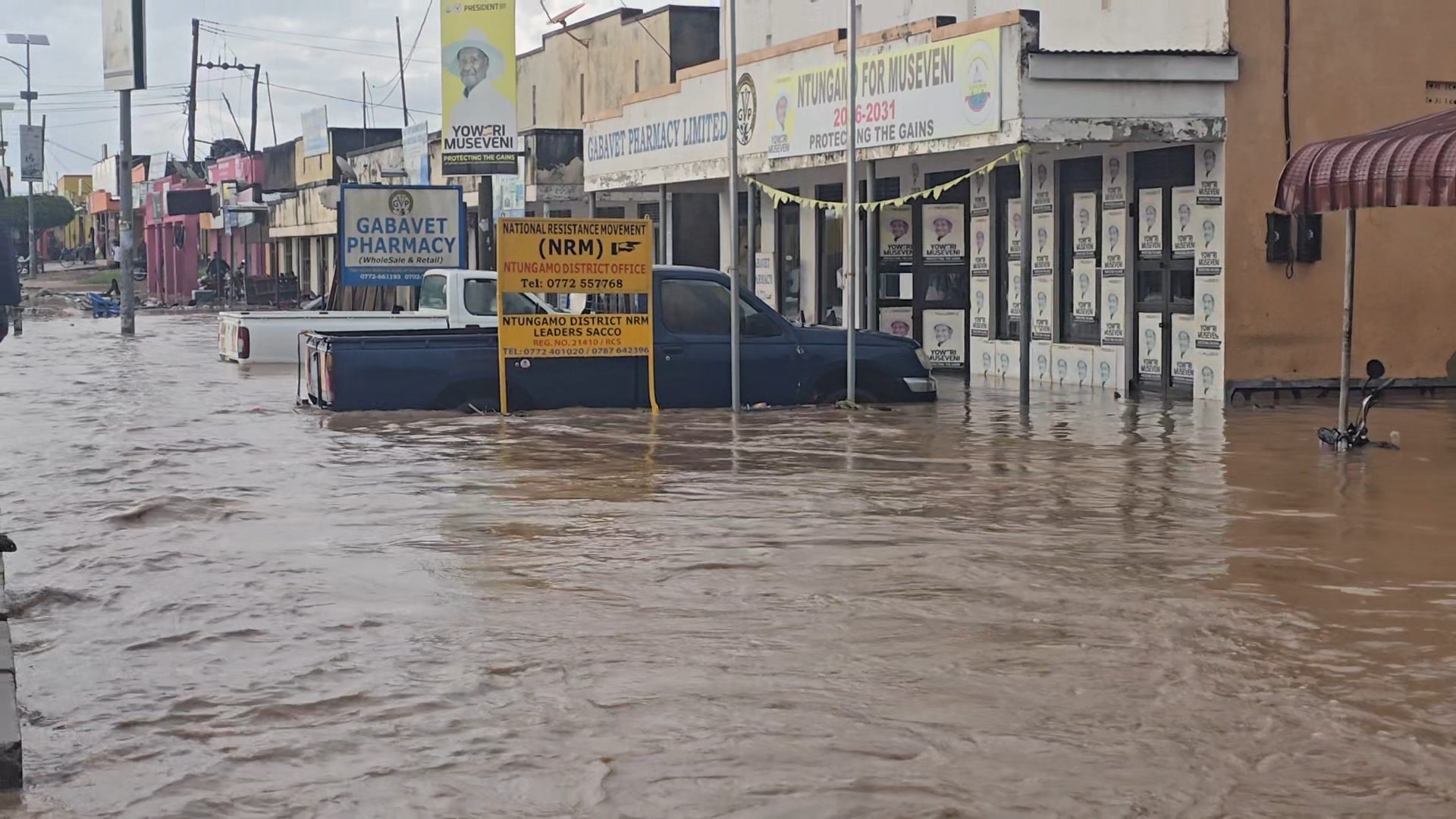
Residents fear the situation could become even more deadly during nighttime flooding since many affected buildings serve as both homes and businesses.
During the latest rains, residents said a woman carrying a baby remained stranded for hours on an elevated surface surrounded by fast-moving water because her house had already been flooded.
Locals also reported previous drowning incidents linked to the floods.
“Previously, we lost a child who drowned in these waters. We started writing to authorities but no support has been given. We started in 2000 writing to all offices here,” Julius said.
The flooding concerns mirror earlier warnings by municipal engineer Fred Musime Tumusime, who described Ntungamo Municipality as a basin that naturally collects runoff from surrounding hills and neighbouring areas.
“We are below the hills and there is storm water that comes from the hills. They come and sweep our roads here. Being a basin, the water collects from as far as Ruhanga and submerges Ntungamo Municipality. Most of the roads are gravel roads. When rainfall starts, grass grows and the water takes away our gravel,” Tumusime explained.
Residents say despite years of complaints to the municipal council, no permanent solution has been implemented, leaving many parts of the municipality vulnerable whenever heavy rains occur.
Efforts to obtain a comment from municipal authorities were unsuccessful as the officials were reportedly out of office by the time of filing this story.